Problem

Growthpoint, as a listed property group, has clear sustainability commitments and defined decarbonisation targets for its national portfolio of commercial properties.

Problem

Most mining entities have broad sustainability objectives, with decarbonisation as a major component. Electricity is also a significant cost input into their businesses, ranging from roughly 10% up to 50% depending on the mine. To remain globally competitive, mines must decarbonise their operations while stabilising or reducing input costs.

Situation

While rooftop solar investments contribute meaningfully to reducing grid consumption, its impact remains limited by available roof space and generation profiles. A substantial portion of Growthpoint’s electricity demand is still supplied by carbon-intensive grid electricity, and the company needed a scalable mechanism to decarbonise that remaining demand across its portfolio of buildings.

Situation

Mines face electricity costs that have risen at roughly six times inflation since 2007, creating significant and ongoing cost uncertainty for an already critical input. At the same time, life-of-mine timelines are driven by commodity cycles, making it difficult to commit to large-scale, long-term energy infrastructure investments.

Result

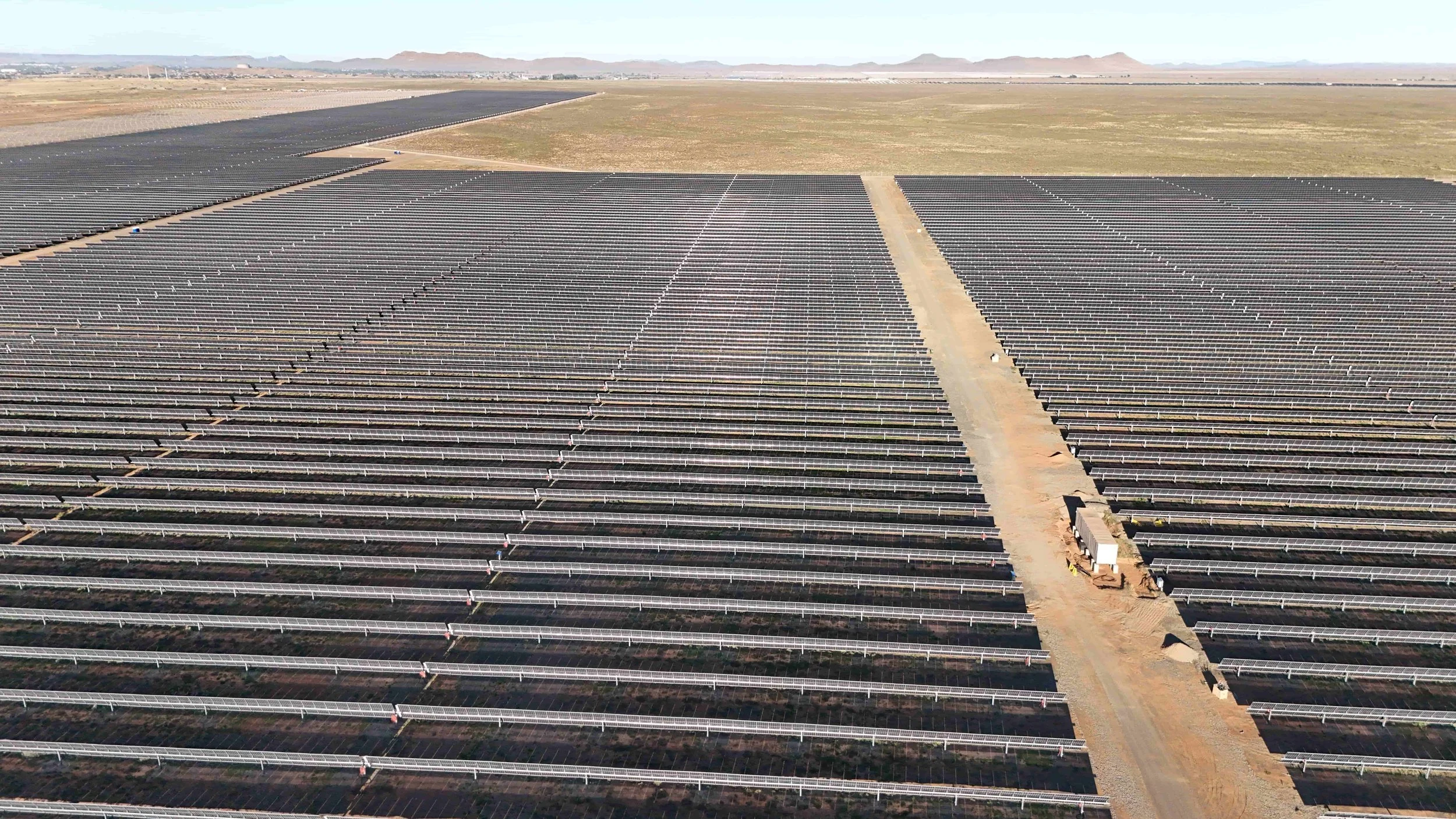
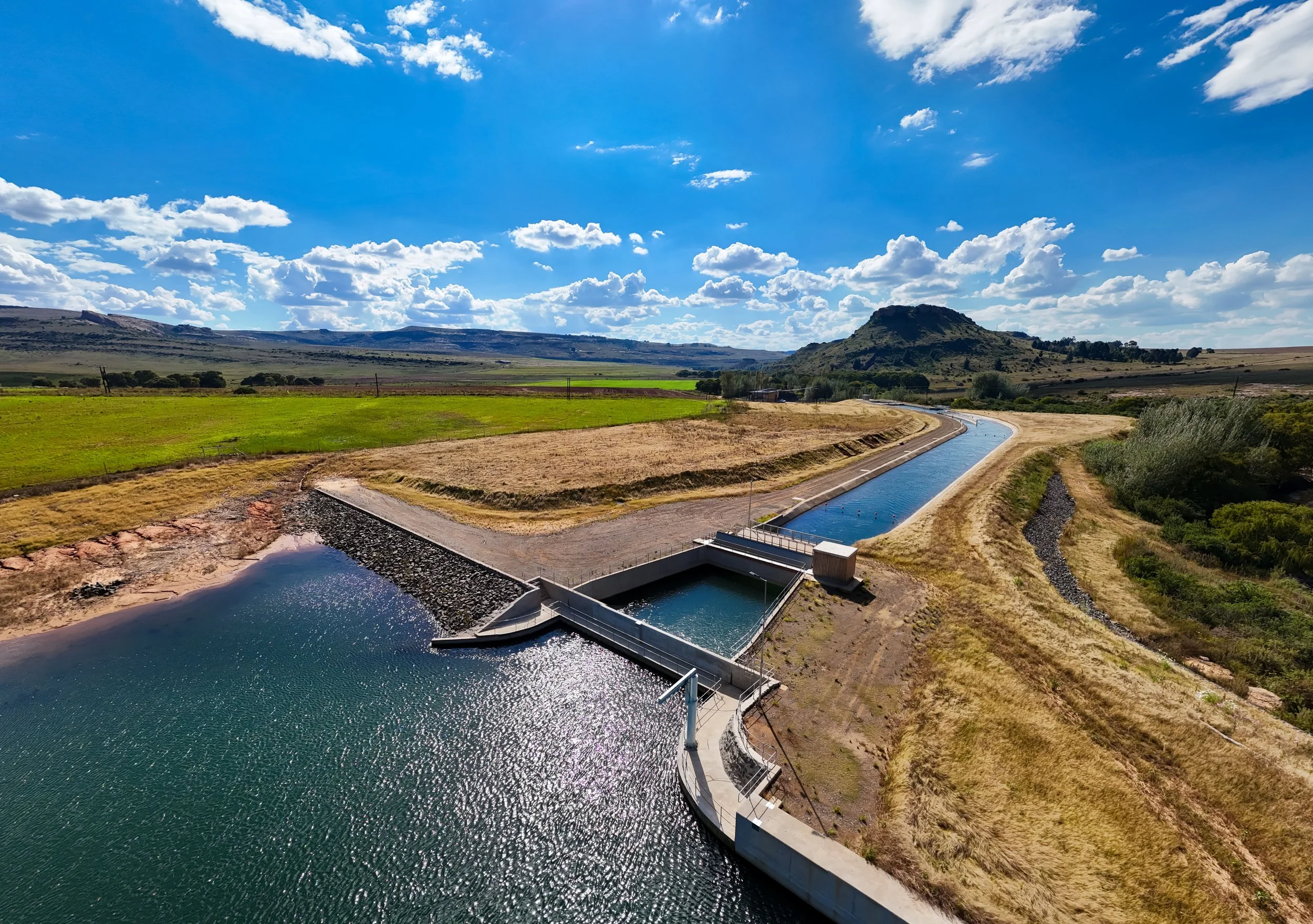
Etana structured a flexible wheeled electricity solution through its trading platform, aggregating demand across Growthpoint’s portfolio and supplying renewable electricity from its diversified wind and solar assets. Etana also worked with Growthpoint to identify the 5MW Boston Hydro plant and brought it into the Etana trading platform as a special project. This approach expands renewable supply, accelerates decarbonisation and improves long-term electricity cost certainty.

Result

Through Etana’s trader‑aggregator model, mines can access renewable energy from a diversified portfolio of wind and solar generators, without owning the assets or affecting the mine’s balance sheet. This enables decarbonisation, stabilises input costs and can deliver concrete cost savings. Etana’s market-leading flexible contracts also account for operational changes or shifts in life‑of‑mine timelines.

Problem

Smaller and medium‑sized power users in Nelson Mandela Bay Municipality across automotive and manufacturing sectors wanted to decarbonise their electricity consumption while improving cost certainty for the future.

Situation

Individually, these businesses do not have sufficient electricity demand to contract directly with a large solar or wind facility on a bilateral basis, limiting their ability to access cost competitive renewable energy projects at scale.

Result

Etana aggregated the electricity demand of these businesses through the Nelson Mandela Bay Business Chamber, creating the scale required to secure generation capacity from a portfolio of solar and wind projects. Acting collectively enabled better pricing, more flexible terms and access to wheeled renewable electricity without each company needing to negotiate complex contracts individually.