
Case Studies

Image courtesy of Growthpoint Properties
Goal
Growthpoint Properties, as a listed property group, has clear sustainability commitments and defined decarbonisation targets for its national portfolio of commercial properties.
Challenge
While rooftop solar investments contribute meaningfully to reducing grid consumption and its carbon footprint, its impact remains limited by available roof space and the shape of the generation profile. A substantial portion of Growthpoint’s electricity demand is still supplied by carbon-intensive grid electricity, and the company needed a scalable mechanism to enhance cost savings and decarbonise the remaining demand across its portfolio of buildings.
Solution
Etana structured a flexible wheeled electricity solution that aggregates Growthpoint’s electricity demand across its property portfolio spanning multiple Eskom- and municipal-supplied networks and matches this with renewable electricity supplied from Etana’s generation portfolio, comprising diversified wind and solar assets. As a bespoke customer solution, Etana also secured supply from the 5MW Boston Hydro Plant to exclusively provide Growthpoint with some 24/7 baseload renewable energy through Etana’s trading platform. This approach achieves high levels of renewable energy penetration, accelerates decarbonisation and improves long-term electricity cost certainty.
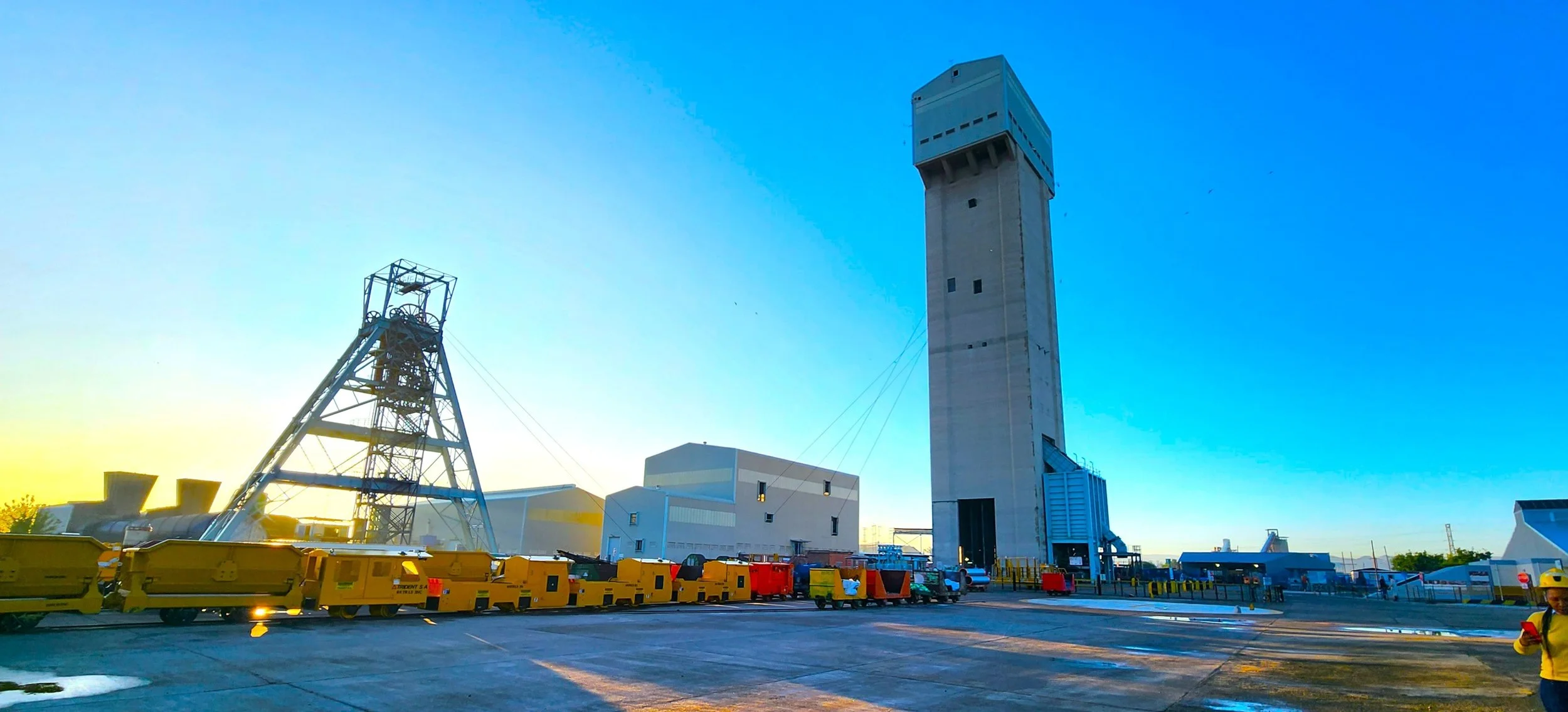
Image courtesy of Sibanye-Stillwater
Goal
For mining and mineral processing companies, electricity is typically a significant cost input into their businesses, ranging from 10% up to 50% of operating costs and in South Africa the primary contributor to their carbon footprint. To remain globally competitive, these companies must decarbonise their operations while stabilising or reducing their electricity costs.
Challenge
In South Africa, electricity costs have risen roughly six-fold since 2007, creating significant and ongoing cost pressures for mining and mineral processing companies. Underlying operating costs, together with commodity prices, drive life-of-mine profiles. This makes it difficult to commit to long-term energy infrastructure investments or power purchase agreements (PPAs) to mitigate their energy risks and solve for cost savings and decarbonisation.
Solution
Through Etana’s market-leading trading model, mines and mineral processing companies can achieve high levels of low-cost renewable energy penetration from a diversified portfolio of wind and solar generators on flexible contracting terms that don’t create punitive obligations for operational or life-of-mine changes. This allows these businesses to contract for higher volumes of renewable energy at the best possible tariffs, thereby enhancing cost savings and maximising decarbonisation. Etana’s supply solution has been adopted by several leading mines and mineral processing companies, including Sibanye-Stillwater, Tharisa and Petra Diamonds.
Goal
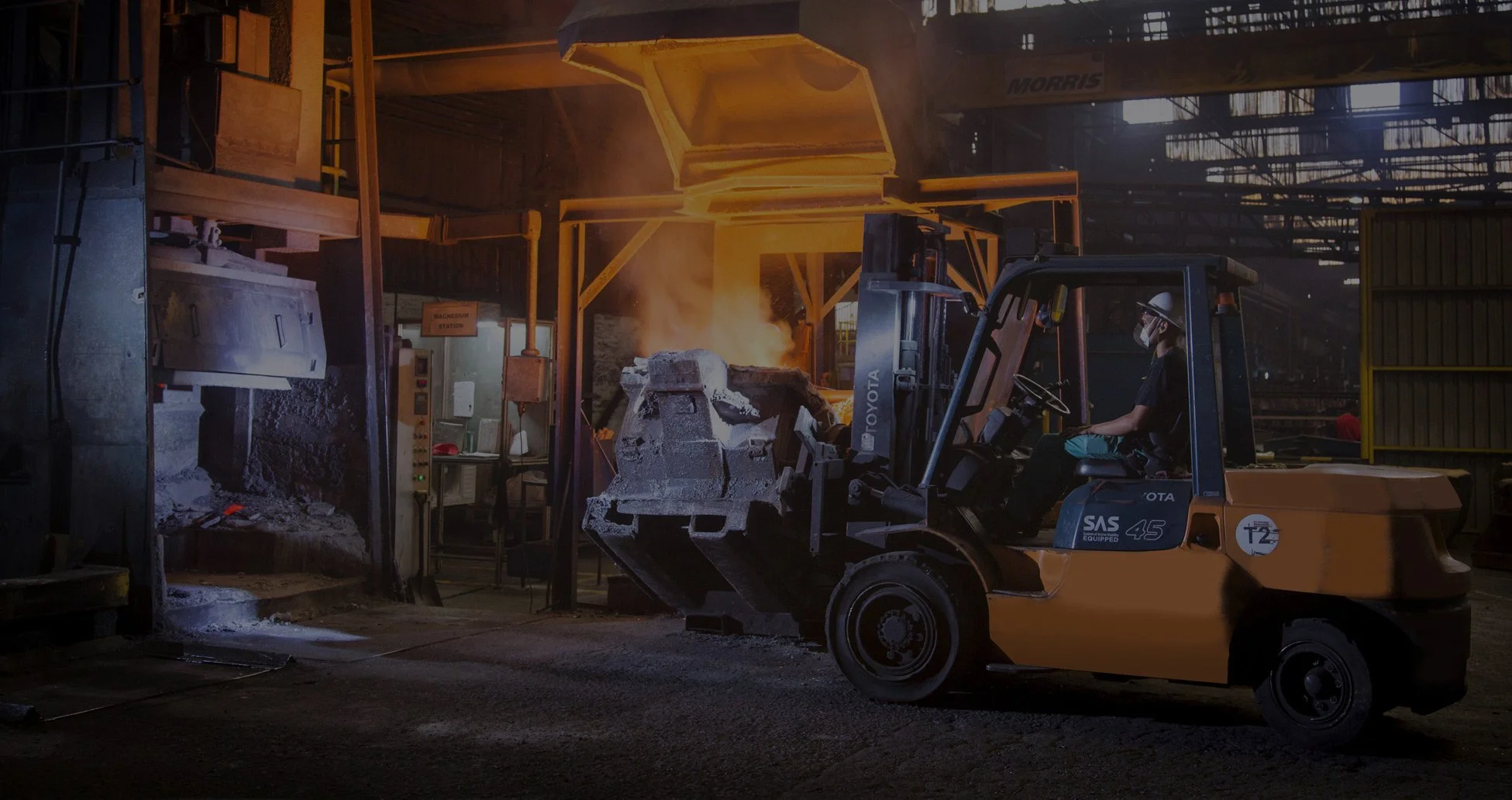
Industrial power users in Nelson Mandela Bay Municipality (NMBM) across automotive and other manufacturing sectors wanted to decarbonise their electricity supply, reduce operating costs and improve future cost certainty.
Challenge
Individually, these businesses do not have sufficient electricity demand to contract directly with large solar or wind facilities, nor were they willing to contract on the typical long-term, take-or-pay PPA terms required to bank new generation projects. This limited their ability to access low-cost competitive renewable energy on contracting terms that match their risk appetite.
Solution
Following a competitive tender process run by the Nelson Mandela Bay Business Chamber (NMBBC), Etana aggregated the electricity demand of multiple NMBBC members and offered a standardised, flexible PPA supplied from the utility-scale wind and solar generation capacity from its portfolio. Etana’s trading model and the NMBBC aggregated demand enabled better pricing, more flexible terms and access to levels of wheeled renewable electricity coverage that the NMBBC customers could not have achieved individually.